Reduce healthcare cost volatility.
Protect margin.
FP4H helps mid-market employers turn benefits from a reactive expense into a structured financial strategy built for visibility, control, and EBITDA protection.
Healthcare is one of the most under-managed
financial risks on the P&L.
Most employers try to control cost through renewal negotiation alone — leaving major drivers of trend, waste, and volatility untouched.
Trend Pressure
Annual increases compound faster than most leadership teams can absorb — eroding margin year over year.
No Visibility
Employers often lack clear access to the real drivers behind spend, utilization, and shock claims.
Low Control
Fully insured arrangements can hide operational and funding inefficiencies that drive unnecessary cost.
Reactive Cycle
Renewals become a late-stage negotiation instead of a year-round management system with real leverage.
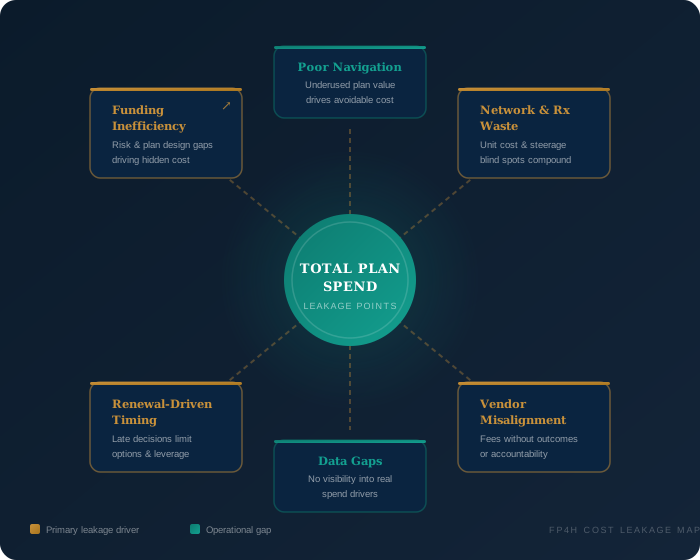
Cost leakage is rarely one decision — it stacks.
Leakage stacks across funding, networks, pharmacy, vendors, navigation, data, and timing — often invisible until it's too late.
Funding Inefficiency
Plan design and risk structure misaligned with your actual tolerance and workforce profile.
Network & Rx Waste
Unit cost issues, steerage gaps, and pharmacy blind spots that compound total spend.
Vendor Misalignment
Programs and fees not connected to measurable outcomes or accountability standards.
Renewal-Driven Management
Key decisions happen too late in the cycle, limiting options and leverage.
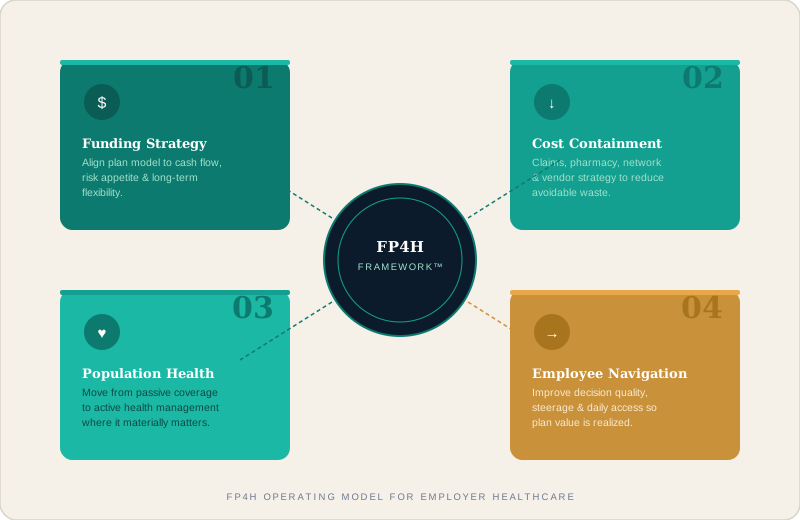
The FP4H Framework™
A four-pillar operating model for employers that want more than transactional brokerage — built for visibility, control, and financial performance.
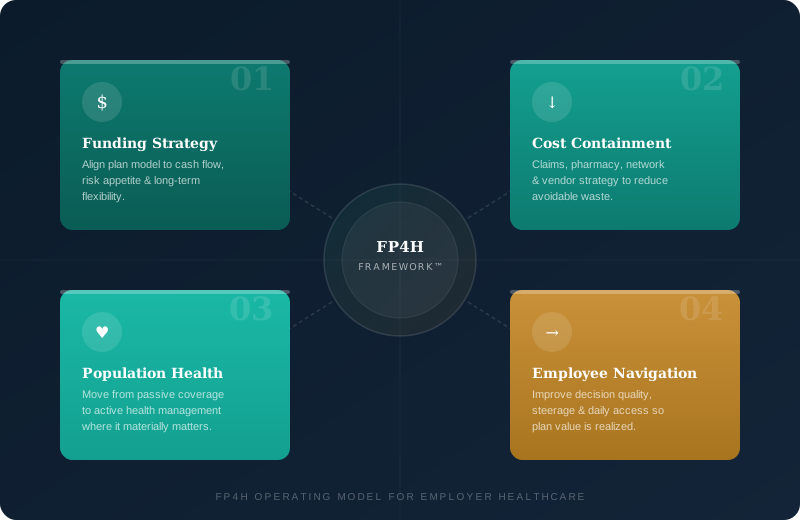
Funding Strategy
Align the plan model to cash flow, risk appetite, visibility, and long-term flexibility.
Cost Containment
Use claims, pharmacy, network, and vendor strategy to reduce avoidable waste systematically.
Population Health
Move from passive coverage to active health management where it materially impacts cost.
Employee Navigation
Improve decision quality, steerage, and daily access so plan value is actually realized.
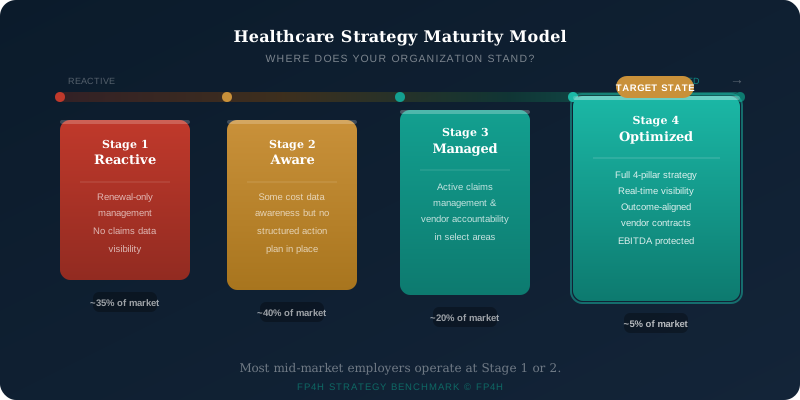
Where does your strategy stand today?
Most employers are somewhere between reactive and managed. Very few operate with a structured, optimized system.
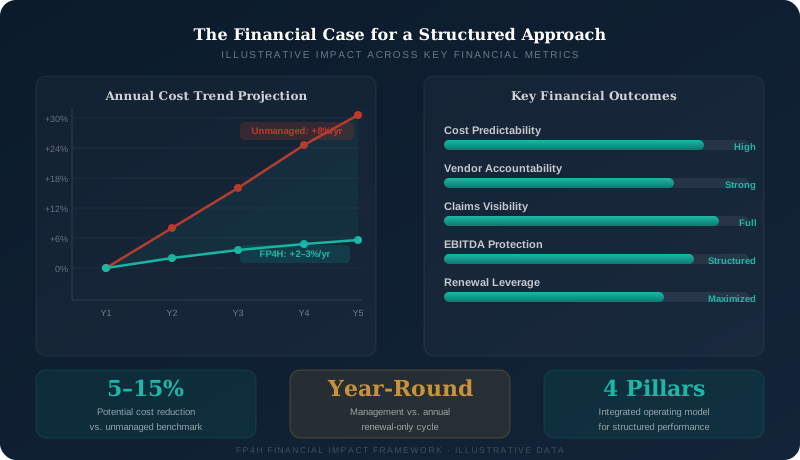
The financial case for a structured approach.
Better strategy improves predictability, reduces pressure on margin, and creates a stronger decision environment for leadership.
Get your FP4H Executive Scorecard.
A simple way to assess where your current strategy is strong, where it is exposed, and what to prioritize next.